7th Ave Locksmith Service Team
Local locksmith team
Jul 6, 2026 10 min read
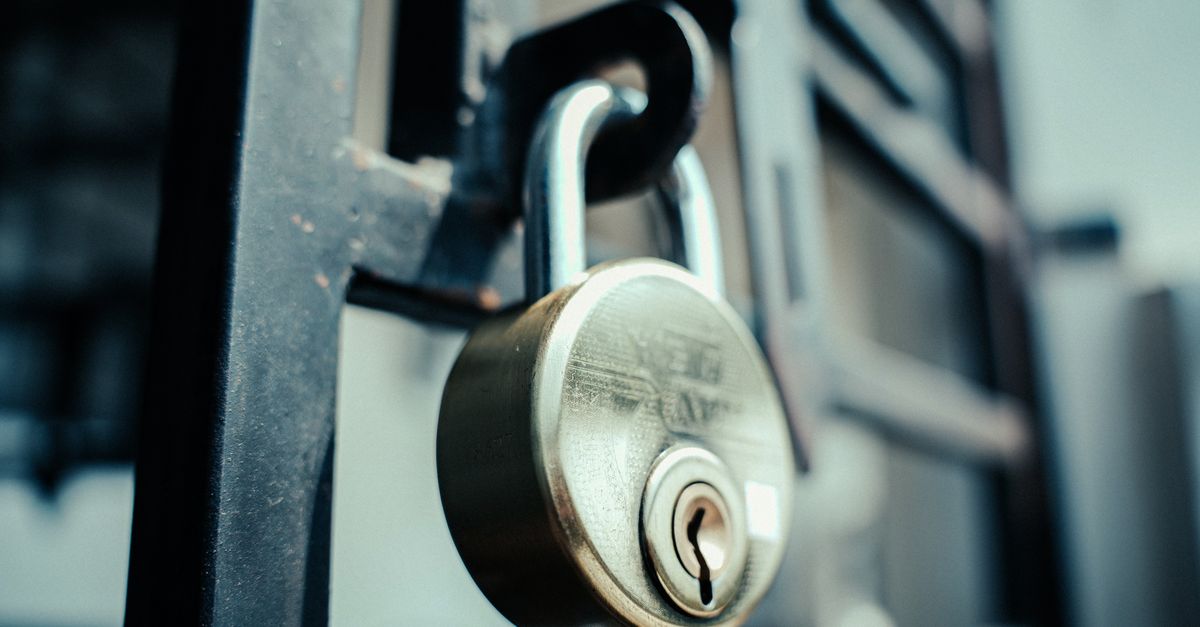
That grinding, stiff twist you feel every time you try to open your front door isn't just annoying — it's a warning sign. A door knob lock that sticks or resists turning can be the first symptom of worn-out internal components, a misaligned strike plate, or a lock cylinder that's slowly failing. Left alone, a sticky knob lock can leave you locked out on a cold night or, worse, unable to secure your home properly.
This guide is built for homeowners and renters in the FL New York area — whether you're near the tree-lined blocks of Forest Hills, a walk-up apartment on 108th Street, or a single-family home closer to the Jamaica Hills border — who want real answers before spending money on a repair or a replacement. We'll walk through the most common causes of a sticking door knob lock, show you which problems are DIY-friendly, and explain clearly when it makes sense to call a professional locksmith for a proper mortise lock or knob lock service.
## Why Your Door Knob Lock Is Sticking: The Real Causes
A sticking lock door knob almost always traces back to one of five culprits: (1) a dry or corroded lock cylinder that lacks lubrication, (2) a worn or broken spindle connecting the knob to the latch, (3) a sagging door that has shifted in its frame over time, (4) a misaligned strike plate that forces the latch to scrape against metal instead of clicking cleanly into place, or (5) debris, dirt, or old grease buildup inside the keyway or mechanism. Each of these has a different fix, which is why diagnosing correctly before you do anything else saves you time and money.
Here's a quick self-test: turn the knob slowly and note exactly where the resistance happens. If the knob turns freely but the latch doesn't retract, the spindle or the latch mechanism itself is likely damaged — that's usually a replacement job. If the knob feels gritty or stiff from the first movement, lubrication or internal cleaning is worth trying first. If the latch moves but won't seat cleanly into the strike plate, look at the door alignment. And if inserting or turning the key is the hard part, the cylinder is your target. Pinpointing the failure point before ordering parts or calling anyone is the most productive first step you can take.
## Quick Fixes You Can Try on a Sticking Door Knob Lock
For a dry or lightly corroded lock, proper lubrication often restores smooth operation within minutes. Use a dry graphite lubricant or a Teflon-based spray — never WD-40, which attracts dust and causes faster buildup over time. Insert the nozzle into the keyway, apply a small amount, insert and remove your key several times to distribute it, then work the knob back and forth. For the latch and spindle area, a small amount of white lithium grease applied to the exposed latch face and the square spindle shaft is appropriate. If you have a door knob with lock and key that feels sluggish specifically when turning the key, graphite powder tapped directly into the keyway is often all it takes.
If lubrication doesn't solve it, check the strike plate alignment. Open the door and watch where the latch bolt contacts the plate as you slowly close it. A latch that hits the top or bottom edge of the strike plate hole indicates the door has dropped or the frame has shifted — common in older Queens homes and pre-war buildings throughout the FL New York area. Tightening the hinge screws (replacing worn screws with longer ones that bite into the stud behind the jamb is even better) can lift a sagging door back into alignment. If the misalignment is minor, filing the strike plate opening slightly wider is another legitimate approach. These are the boundary of practical DIY fixes — anything beyond this requires tools and knowledge that go further than most homeowners should attempt without professional help.
## When to Replace Instead of Repair: Knowing the Tipping Point
There are clear signals that a knob lock has reached the end of its useful life and that a repair is just delaying an inevitable replacement. If the knob spins freely without retracting the latch at all, the spindle is stripped or broken — and since the spindle is integrated into the knob assembly on most standard door knob with lock designs, the whole unit needs to come out. If the lock cylinder turns but the cam that drives the latch mechanism no longer engages, internal tumblers or the cam itself have failed. If visible rust has spread from the keyway into the body of the lock, no amount of lubrication will restore reliable operation.
Security is the other deciding factor. An older knob lock — especially a builder-grade door knob with lock for bedroom or exterior use — typically offers a low level of forced-entry resistance on its own. If your exterior door relies on a knob lock as a primary security device rather than as a secondary latch alongside a deadbolt or a proper mortise lock, this is a good moment to upgrade, not just repair. A mortise lock, which installs into a pocket routed into the door's edge and combines a deadbolt and latch in one heavy-duty unit, dramatically increases a door's resistance to both physical attack and picking attempts. Our team at 7th Ave Locksmith handles mortise lock installation, rekeying, and full cylinder replacement daily — call us at (646) 349-7149 and we'll assess whether your current hardware is worth saving or whether a proper upgrade makes more sense.
## Mortise Lock, Deadbolt, or Knob Lock — Choosing the Right Hardware for Your Door
Understanding the difference between your hardware options helps you make a confident decision rather than just reacting to what's broken. A standard door knob with lock is a convenience latch — it's designed to keep a door closed and provide a basic privacy function, not to serve as a primary security barrier on an exterior door. Deadbolts extend a solid bolt into the door frame and are significantly more resistant to kick-in attacks. A mortise lock is the premium standard: it's installed inside a deep rectangular pocket cut into the door edge, integrates both the latch and a deadbolt into one cartridge, and uses a more complex cylinder that is harder to defeat. Mortise locks are common on commercial doors, older New York City residential buildings, and any door where long-term security and durability are the priority.
When replacing a failed knob lock, consider what the door actually does in your home. An interior door knob with lock for bedroom use — where privacy, not security, is the goal — can be replaced with a quality privacy knob or lever set without needing a mortise cartridge. A front or back exterior door, however, benefits from a deadbolt at minimum and ideally from a professional mortise lock installation that integrates with your existing door prep. Hardware brands like Schlage and Kwikset both offer commercial-grade options, and our team can advise on which grade is appropriate for your specific door thickness, prep dimensions, and daily use pattern. The factors that determine your final cost for a replacement include the lock type and grade, the door prep work required, the time of day the job is needed, and travel distance to your location — we confirm an exact up-front price before any work begins, so there are no surprises.
## Emergency Locksmith and Commercial Locksmith Services for FL New York
Sometimes a sticking knob lock doesn't give you a warning — it just fails at 11 p.m. on a Tuesday. Whether you're locked out of your home near the Queens Botanical Garden or you manage a commercial property along Jamaica Avenue with a failed mortise lock on a front entrance, 7th Ave Locksmith operates as a 24/7 mobile emergency locksmith throughout the FL New York area. We carry common lock hardware and cylinder stock in the van, which means most residential and commercial locksmith calls are resolved in a single visit without waiting on parts.
For property managers and business owners, our commercial locksmith services go well beyond a simple knob replacement. We handle master key system design, high-security mortise lock installation, access control rekeying for tenant turnovers, panic bar hardware, and storefront lock repair — all from a mobile unit that comes to your location. For homeowners, our residential services cover the full range from a stuck door knob lock diagnosis all the way through deadbolt upgrades, lock rekeying after a move, and door frame reinforcement consultations. Whatever your situation, we verify ownership before any lock service and walk you through exactly what we'll do before we start. Call (646) 349-7149 any time — we answer 24/7 and can typically have a skilled locksmith at your door in the FL New York area within the hour.
Frequently asked questions
Can I fix a sticking door knob lock myself, or do I need a locksmith?+
It depends on the cause. If the lock is simply dry, graphite lubrication often restores smooth operation in minutes and is a legitimate DIY fix. If the strike plate is slightly misaligned, tightening hinge screws or adjusting the plate is also within reach for most homeowners. But if the spindle is stripped, the cylinder has failed internally, or the latch mechanism no longer functions, those repairs require disassembly, correct replacement parts, and reassembly — and doing it wrong can leave you with a door that won't latch or lock at all. When you're not certain of the cause, or when the lock is on an exterior door, calling a professional locksmith for an accurate diagnosis is the safer and often faster choice.
How do I know if I should replace my knob lock with a mortise lock instead?+
A mortise lock makes the most sense on exterior doors, commercial doors, or any high-use entry that currently relies on a standard knob lock as its main security device. If your door has no deadbolt and the knob lock is the only thing securing the entry, upgrading to a mortise lock — which combines a deadbolt and a latch in one heavy-duty cartridge — significantly improves both security and durability. If your knob lock serves an interior room like a bedroom and privacy is the only concern, a quality replacement knob set is usually sufficient. A locksmith can assess your door prep dimensions and recommend the right hardware for your specific situation.
What factors affect how much it costs to replace a door knob lock?+
Several factors go into the final price: the type and grade of the replacement lock (a basic privacy knob versus a commercial-grade mortise lock are very different jobs), whether the door prep needs modification to fit the new hardware, the time of day the work is needed (after-hours emergency calls involve different logistics), the travel distance to your location, and whether any additional parts like a new strike plate or reinforced frame hardware are required. At 7th Ave Locksmith, we confirm an exact up-front price before any work begins so you know the full cost before we touch anything.
I've heard the term 'how to pick a door knob lock' — should I try to pick my own lock if I'm locked out?+
We strongly advise against attempting to pick or bypass your own lock without professional training. Even on a standard door knob lock, improvised picking attempts can damage the cylinder pins, break tools inside the keyway, or leave the lock in a worse state than before — potentially requiring a full replacement that wasn't necessary before the attempt. The right steps when locked out are: check for a spare key with a trusted neighbor or family member, see if another door or window is accessible and secure, and if not, call a professional locksmith who can open the lock without damage and verify your ownership of the property. 7th Ave Locksmith is available 24/7 at (646) 349-7149 for exactly these situations throughout the FL New York area.